Winter Wonderland
The Alice Network, Compari's, Sam & Dave, Elvin Hayes, Dumpster Dozing

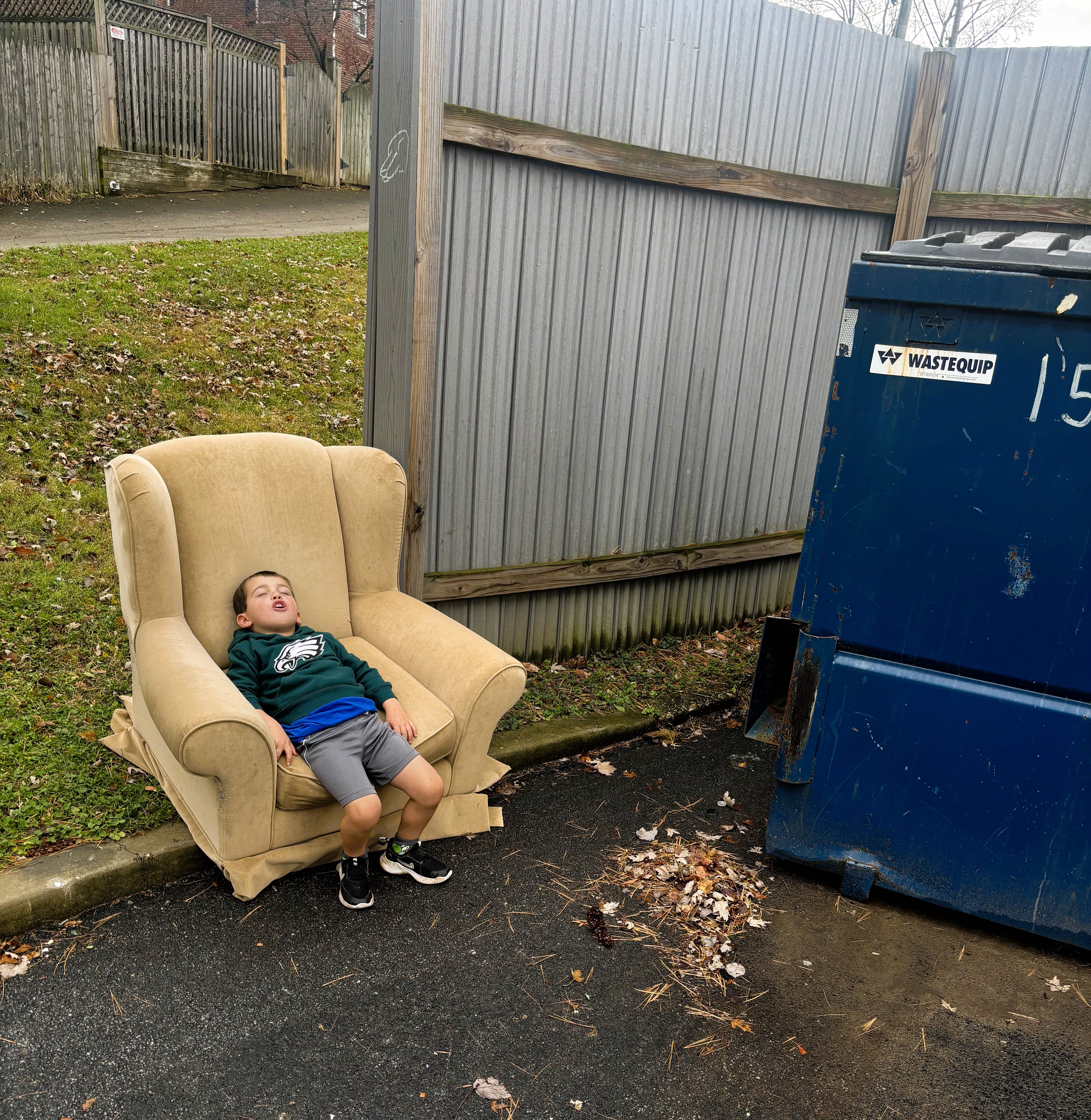
Welcome to my 166th weekly newsletter. This issue includes 32 musicians who died this year, a novel of historical fiction that alternates between 1915 and in 1947, a family-owned Italian restaurant in downtown Plymouth, one of the greatest live acts of the 60s. the original Big E, and Kieran kicking back. I hope you like the picks and pics.
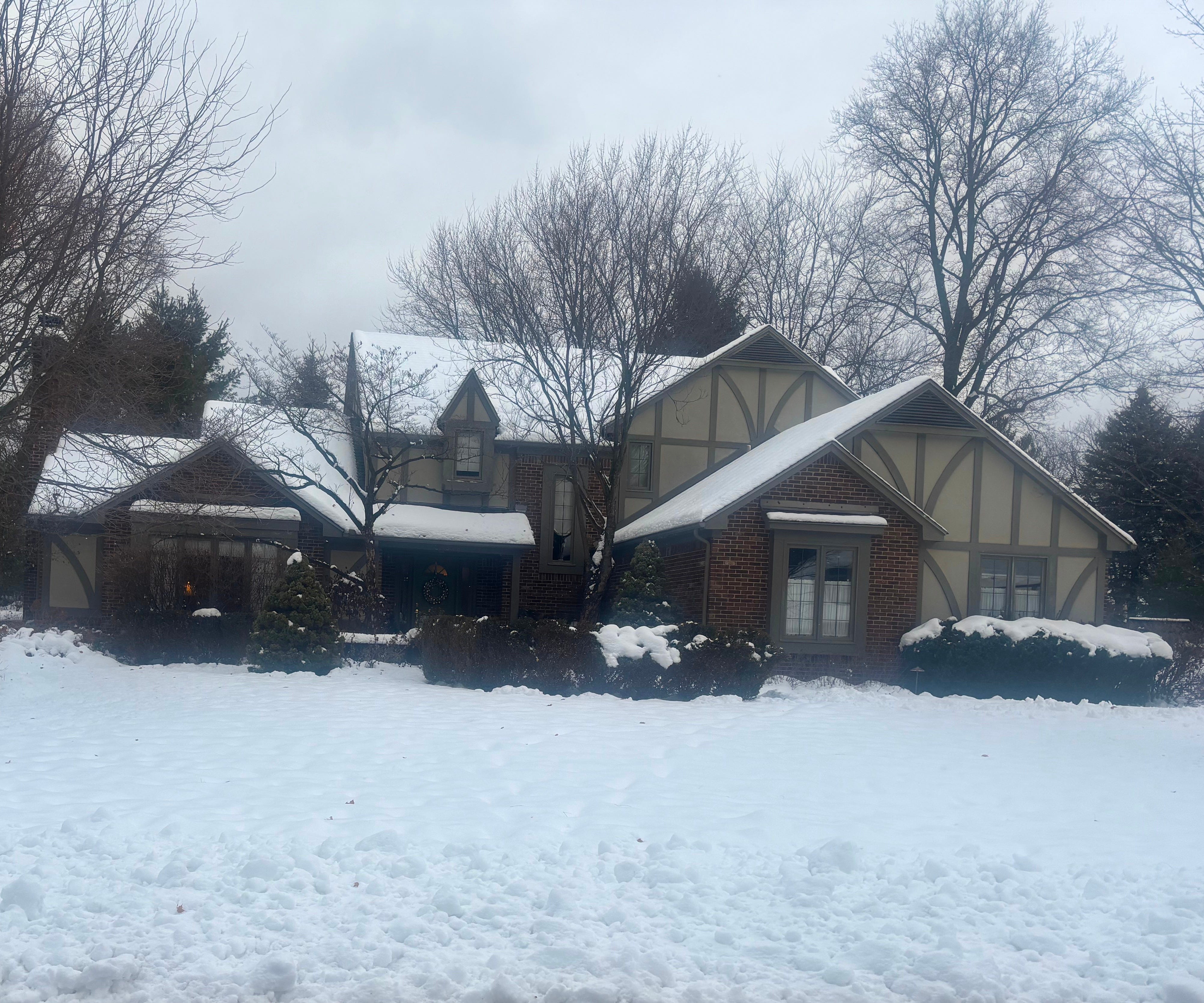
Winter has come early and often this year. I have had to shovel the walk and driveway several times and resort to walking inside on the treadmill. Our California grandsons will get to experience snow for the first time when they arrive on December 23.

I was interviewed by Najla Alotaibi in November and she posted these six clips:
Encouraging Knowledge Sharing in Organizations
Everyone Should Have 3 Simple knowledge Management Goals
Challenges in Implementing Knowledge management
Tacit Knowledge
Knowledge Sharing Culture
Knowledge Management Awareness Before Implementation
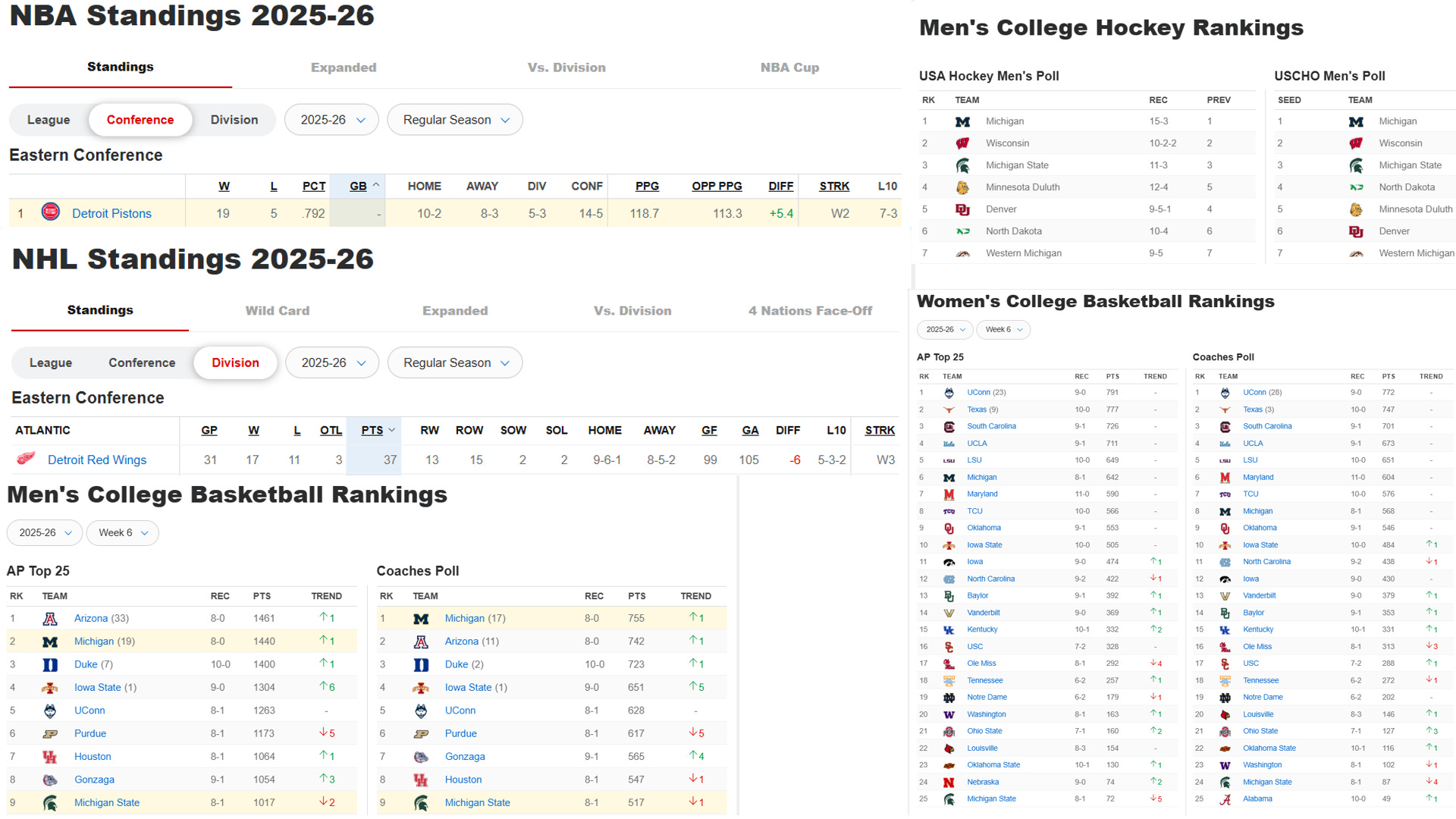
Since I last wrote about the rankings of our local teams in Michigan, Wolverine football and the Lions have dropped. But our other teams are still doing well.
If you enjoy Fave Five, please share it with your friends who also like books, food, music, sports, or humor. To do so, just click the button below.
Fave Five 166: Winter Wonderland
World War Women (The Alice Network), Inviting Italian (Compari’s), Double Dynamite (Sam & Dave), Houston Hero (Elvin Hayes), and Dumpster Dozing.
Fave Five List: Musicians Who Died This Year
The death this week of Raul Malo was devastating to his many fans and collaborators. I compiled this list of artists who departed this year and whose music I have enjoyed.
Jerry Butler (The Impressions)
Rick Davies (Supertramp)
Garth Hudson (The Band)
Flaco Jiménez (The Texas Tornados)
David Johansen (Buster Poindexter)
Raul Malo (The Mavericks)
Joey Molland (Badfinger)
Sam Moore (Sam & Dave)
Sly Stone (Sly & The Family Stone)
Mark Volman (The Turtles)
Bobby Whitlock (Derek & The Dominos)
Brian Wilson (The Beach Boys)
Book Best Bet
The Alice Network by Kate Quinn
Barb liked this book and recommended it to me. I liked it as well.
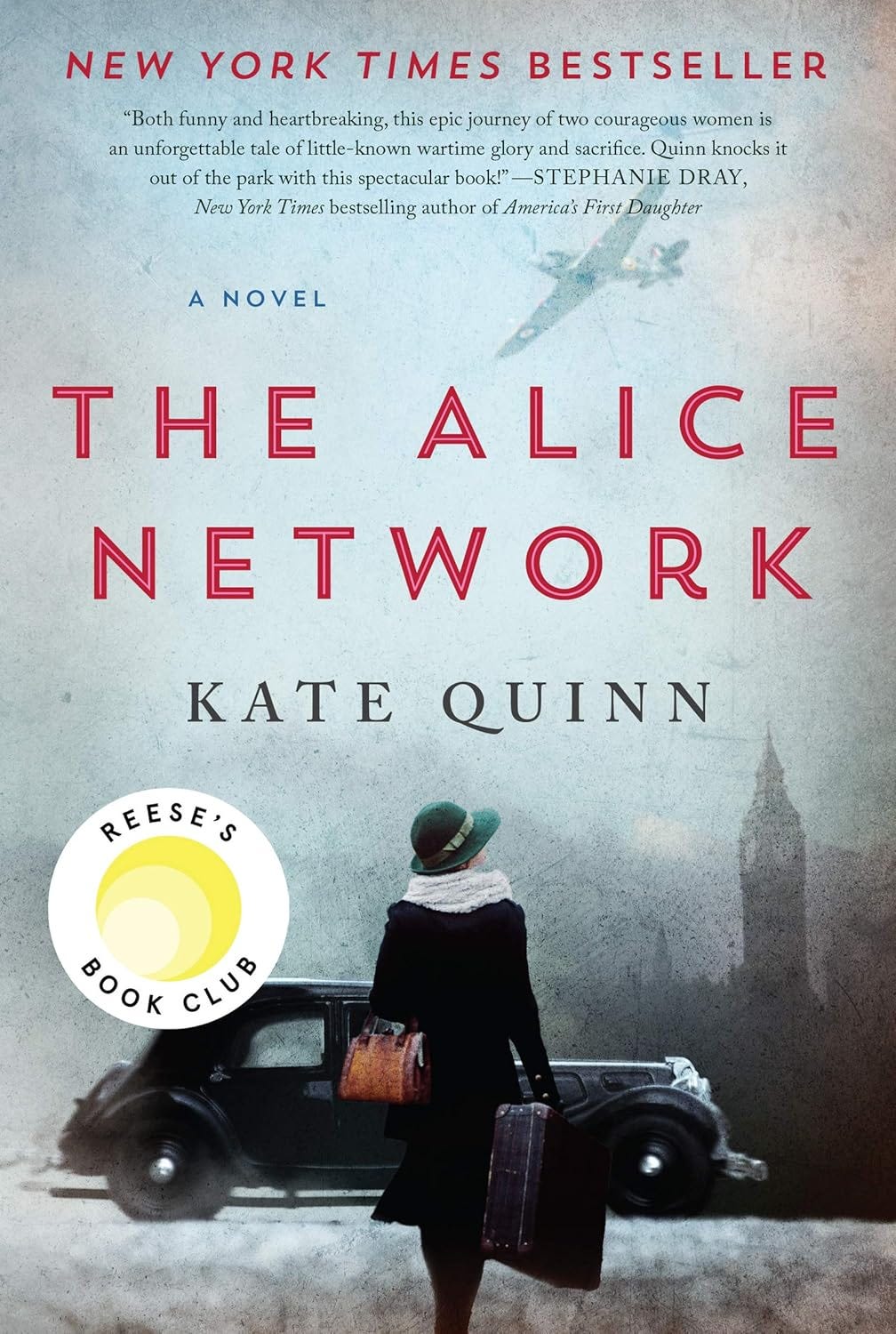
From Amazon: In this enthralling novel from New York Times bestselling author Kate Quinn, two women—a female spy recruited to the real-life Alice Network in France during World War I and an unconventional American socialite searching for her cousin in 1947—are brought together in a mesmerizing story of courage and redemption.
1947. In the chaotic aftermath of World War II, American college girl Charlie St. Clair is pregnant, unmarried, and on the verge of being thrown out of her very proper family. She’s also nursing a desperate hope that her beloved cousin Rose, who disappeared in Nazi-occupied France during the war, might still be alive. So when Charlie’s parents banish her to Europe to have her “little problem” taken care of, Charlie breaks free and heads to London, determined to find out what happened to the cousin she loves like a sister.
1915. A year into the Great War, Eve Gardiner burns to join the fight against the Germans and unexpectedly gets her chance when she’s recruited to work as a spy. Sent into enemy-occupied France, she’s trained by the mesmerizing Lili, the “Queen of Spies”, who manages a vast network of secret agents right under the enemy’s nose.
Thirty years later, haunted by the betrayal that ultimately tore apart the Alice Network, Eve spends her days drunk and secluded in her crumbling London house. Until a young American barges in uttering a name Eve hasn’t heard in decades, and launches them both on a mission to find the truth...no matter where it leads.
Both funny and heartbreaking, this epic journey of two courageous women is an unforgettable tale of little-known wartime glory and sacrifice. Quinn knocks it out of the park with this spectacular book!—Stephanie Dray, New York Times bestselling author of America’s First Daughter
Restaurant Recommendation
Compari’s On The Park 350 S Main St, Plymouth, MI 48170
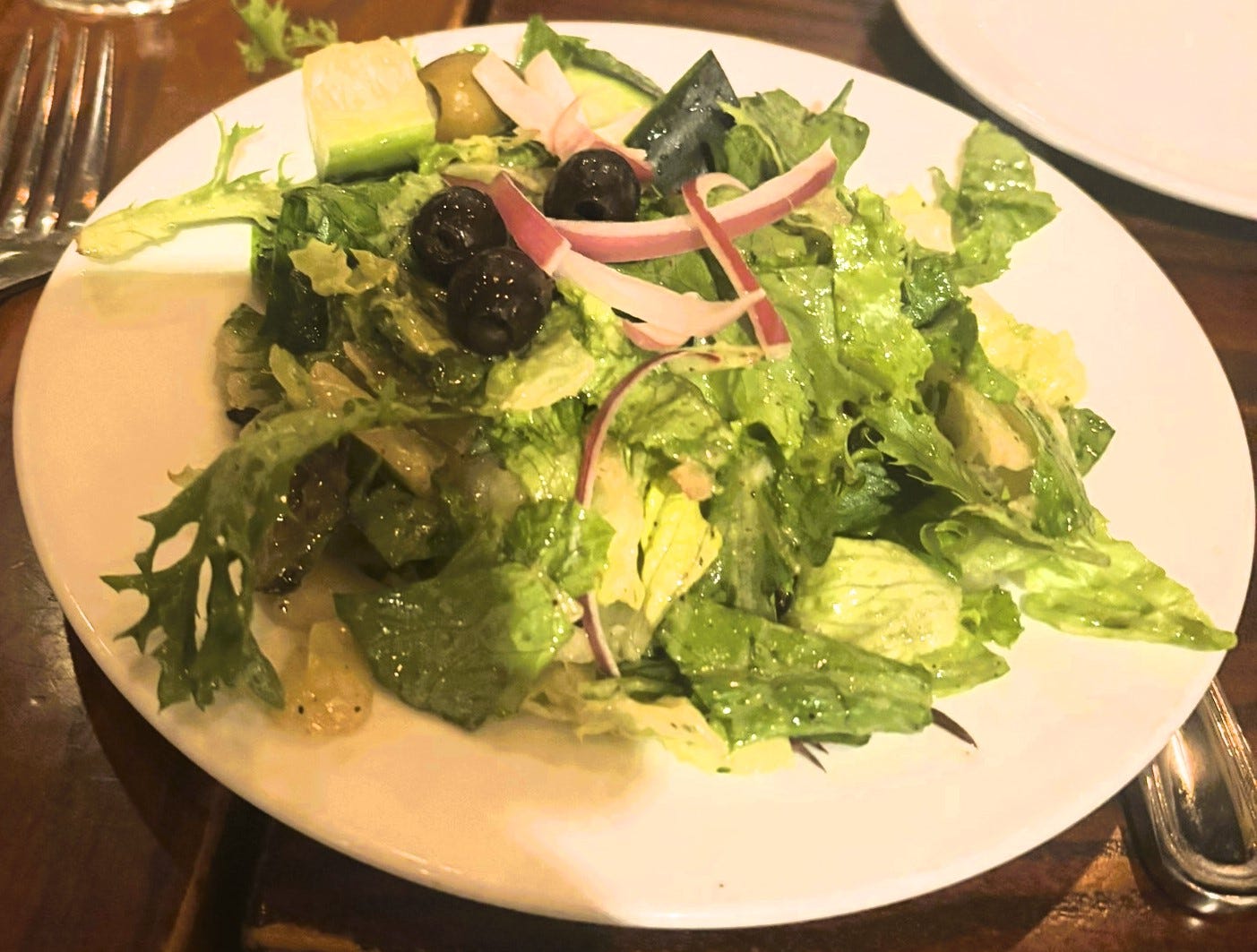
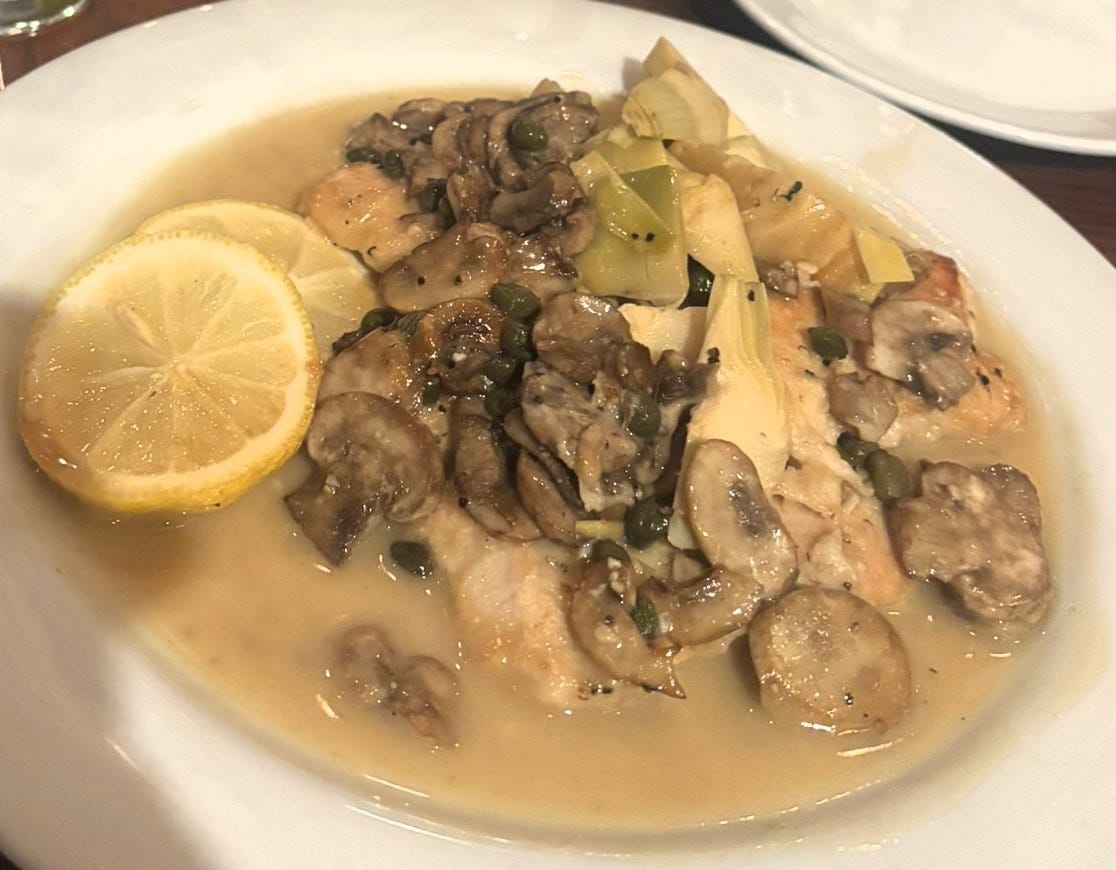
The Book Club Counterprogramming dinner was held here on Tuesday. Seven husbands of book club members had a pleasant evening. The food, service, and atmosphere were all good.
House Salad: Romaine and leaf lettuce, olives, cucumbers, red onion, tossed in red wine vinaigrette dressing
Chicken Piccata: Sautéed with mushrooms, artichokes and capers in a white wine, lemon-butter sauce. Served with a side pasta.
Marvelous Musicians
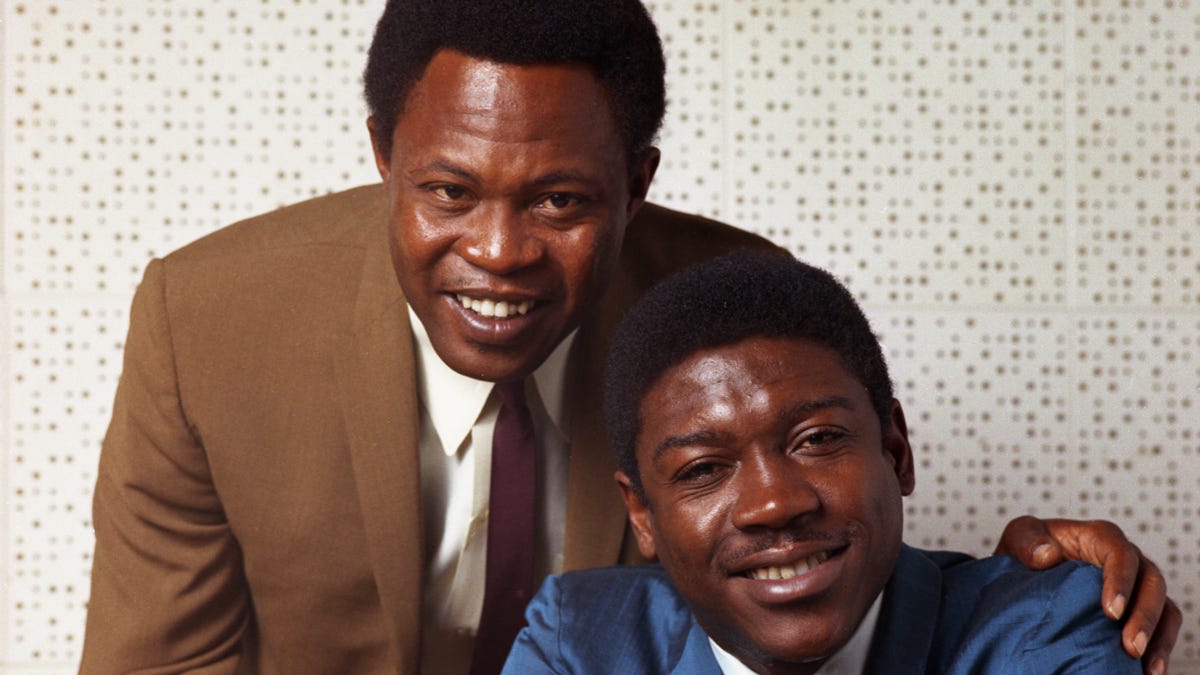
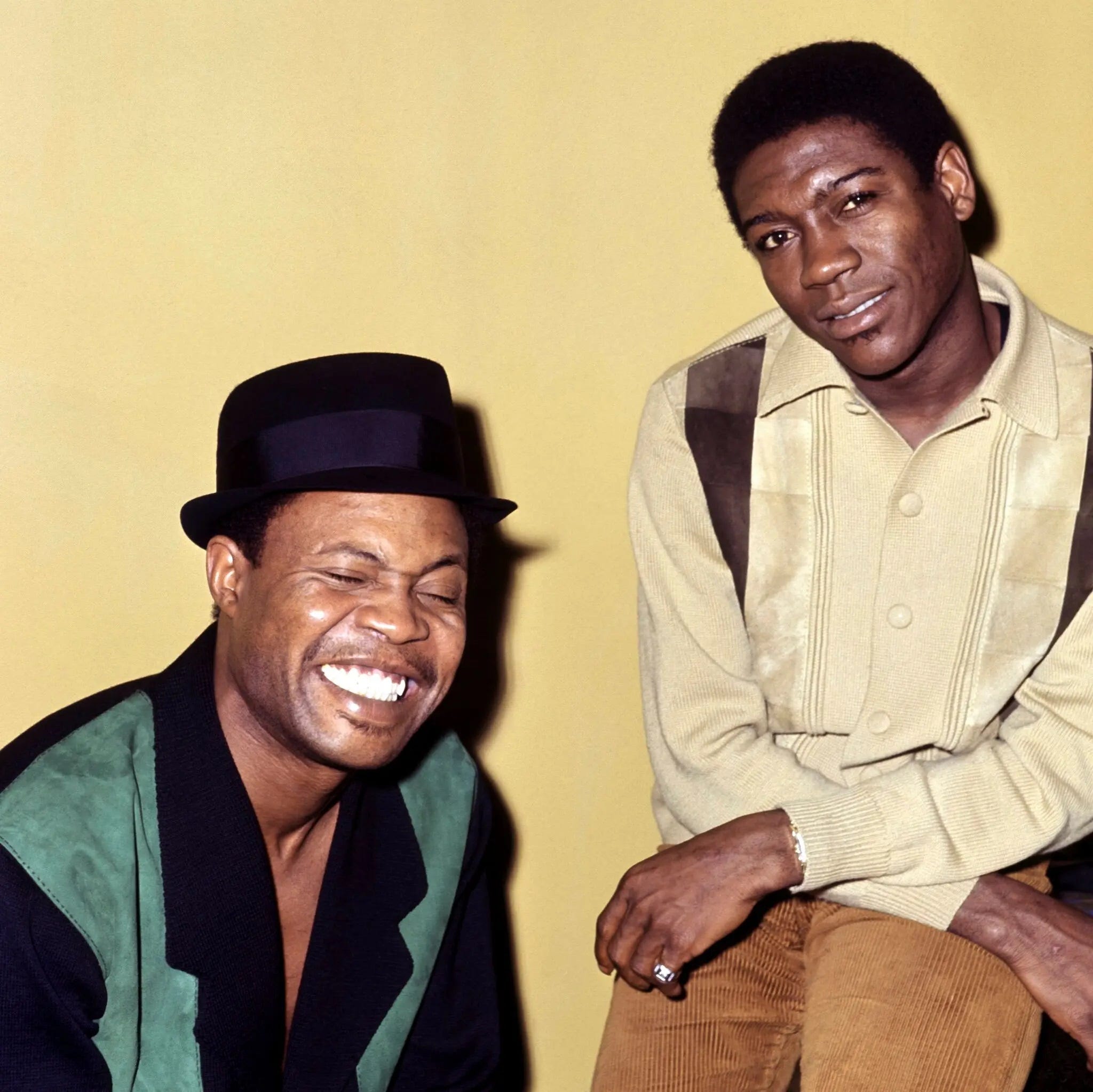
Sam Moore was one of the musicians who died this year. We had The Best of Sam & Dave LP and I loved several of their hits, especially “Hold On, I’m Comin’,” “Soul Man,” and “I Thank You.” When Sam shouts “Play, it Steve!” in “Soul Man” he is referring to Steve Cropper, a great guitarist we also lost this year.
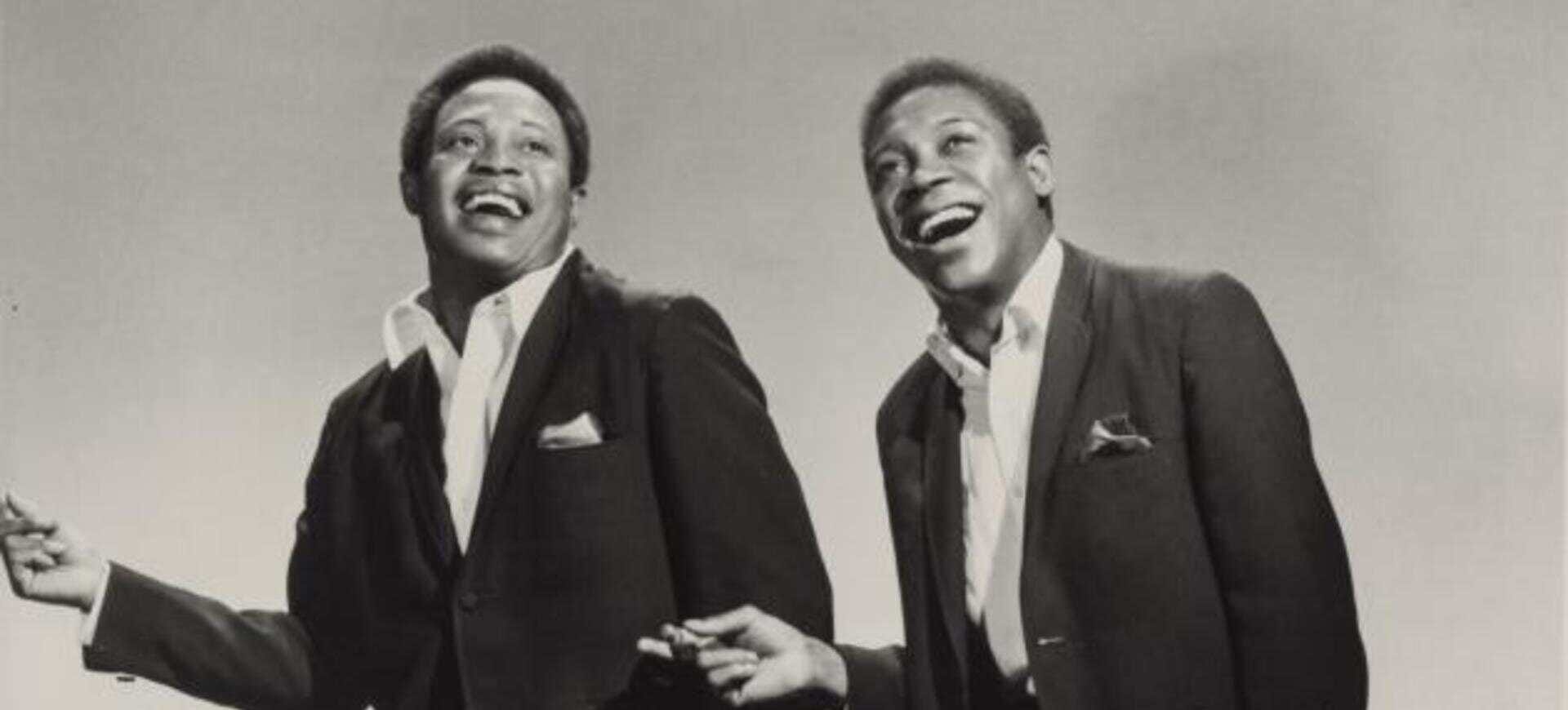
From Wikipedia: Sam & Dave were an American soul and R&B duo who performed together from 1961 until 1981. The tenor (higher) voice was Sam Moore (1935–2025) and the baritone/tenor (lower) voice was Dave Prater (1937–1988).
Nicknamed “Double Dynamite”, “The Sultans of Sweat”, and “The Dynamic Duo” for their gritty, gospel-infused performances, Sam & Dave are considered one of the greatest live acts of the 1960s. Many subsequent musicians have named them as an influence, including Bruce Springsteen, Al Green, Tom Petty, Phil Collins, Michael Jackson, Steve Van Zandt, Elvis Costello, The Jam, Teddy Pendergrass, Billy Joel, and Steve Winwood. The Blues Brothers, who helped create a resurgence of popularity for soul, R&B, and blues in the 1980s, were influenced by Sam & Dave – their biggest hit was a cover of “Soul Man”, and their act and stage show contained many homages to the duo.
According to the Rock & Roll Hall of Fame, Sam & Dave were the most successful soul duo and brought the sounds of the black gospel church to pop music with their call-and-response records. Recorded primarily at Stax Records in Memphis, Tennessee, from 1965 through 1968, these included “Soul Man”, “Hold On, I’m Comin’”, “You Don’t Know Like I Know”, “I Thank You”, “When Something Is Wrong with My Baby”, “Wrap It Up”, and many other Southern Soul classics. Except for Aretha Franklin, no soul act during Sam & Dave’s Stax years (1965–1968) had more consistent R&B chart success, including 10 consecutive top-20 singles and three consecutive top-10 LPs. Their crossover charts appeal (13 straight appearances and two top-10 singles) helped to pave the way for the acceptance of soul music by white pop audiences, and their song “Soul Man” was one of the first songs by a black group to top the pop charts using the word “soul”, helping define the genre. “Soul Man” was a number-one Pop Hit (Cashbox: November 11, 1967) and has been recognized as one of the most influential songs of the past 50 years by the Grammy Hall of Fame, the Rock & Roll Hall of Fame, Rolling Stone magazine, and RIAA Songs of the Century. “Soul Man” was featured as the soundtrack and title for a 1986 film and also a 1997–1998 television series, and Soul Men was a 2008 feature film.
Sam & Dave are inductees in the Rock and Roll Hall of Fame, the Vocal Group Hall of Fame, the Memphis Music Hall of Fame, and the Rhythm & Blues Music Hall of Fame. They won a Grammy Award for “Soul Man” and they received the Grammy Lifetime Achievement Award in 2019. Rolling Stone ranked Sam & Dave No. 14 on its list of the 20 Greatest Duos of All Time.
Hold On, I’m Comin’
Soul Man
I Thank You
My Playlist
Sports Star
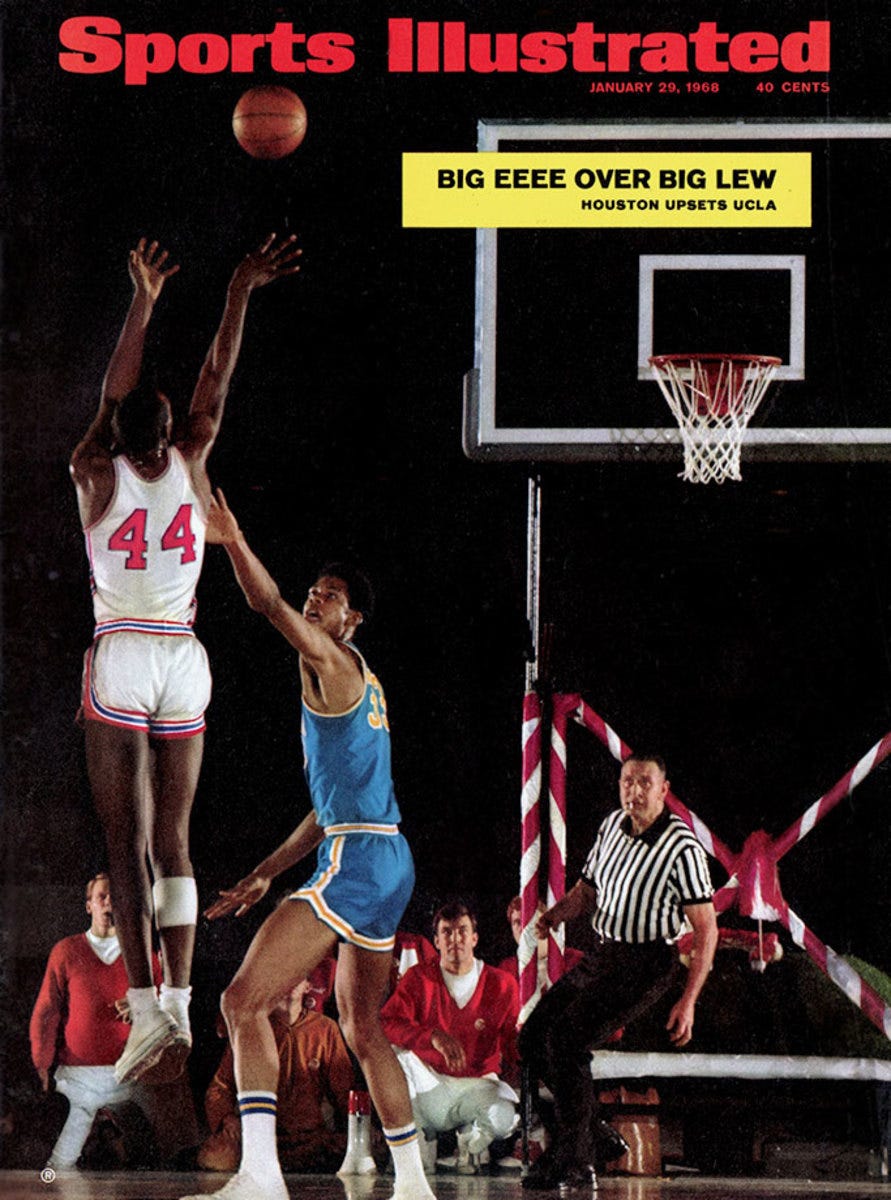
The last issue featured the late Elden Campbell, who was sometimes called “Big E.” The original and much more famous “Big E” is Elvin Hayes. I recall watching him compete in college against Lew Alcindor several times, and it was a big deal back then. He was one of the all-time greats who sometimes gets overlooked.
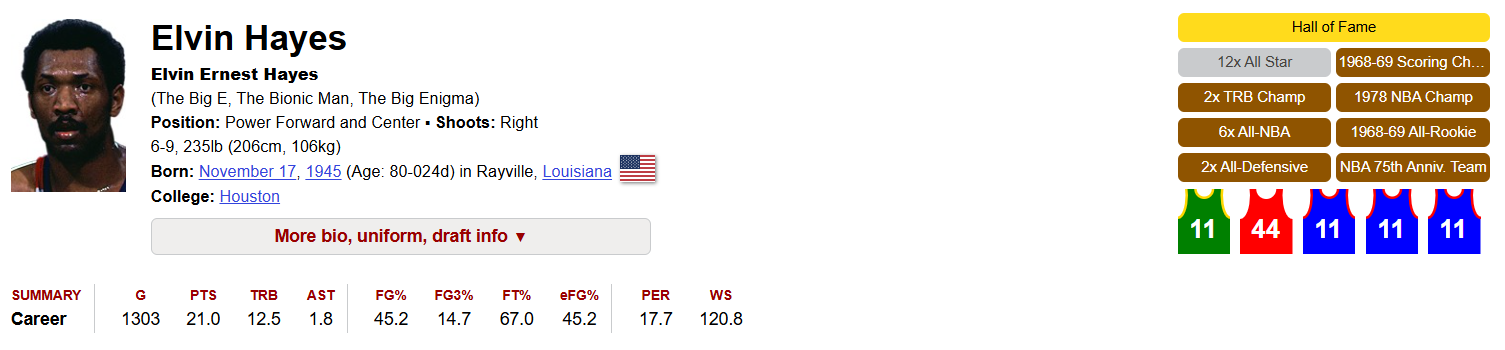
From Wikipedia: Elvin Ernest Hayes (born November 17, 1945in Rayville, Louisiana), nicknamed “the Big E”, is an American former professional basketball player and radio analyst for his alma mater Houston Cougars. He is a member of the NBA’s 50th and 75th anniversary teams, and an inductee in the Naismith Memorial Basketball Hall of Fame. Known for both his offensive and defensive prowess, Hayes is often regarded as one of the best power forwards in NBA history. Hayes is also known for his longevity, being seventh in NBA minutes played (at exactly 50,000), and missing only nine games during his 16-season career.
In 1967, Hayes led the Cougars to the Final Four of the 1967 NCAA Men’s Division I Basketball Tournament. He would attempt 31 field goals, score 25 points, and get 24 rebounds in a 73–58 semifinal loss to the eventual champion UCLA Bruins featuring Lew Alcindor (now Kareem Abdul-Jabbar). Hayes’s rebounding total is second to Bill Russell’s Final Four record of 27.
On January 20, 1968, Hayes and the Houston Cougars faced Alcindor and the UCLA Bruins in the first-ever nationally televised regular-season college basketball game. In front of a record 52,693 fans at the Houston Astrodome, Hayes scored 39 points and had 15 rebounds while limiting Alcindor to just 15 points as Houston beat UCLA 71–69 to snap the Bruins’ 47-game winning streak in what has been called the “Game of the Century”. Alcindor had played the game with a serious eye injury, but later attributed the loss to “poor play against a better team”. That game helped Hayes earn The Sporting News College Basketball Player of the Year.
In the rematch to the “Game of the Century”, Hayes faced Alcindor and UCLA in the 1968 NCAA Men’s Division I Basketball Tournament at the Los Angeles Memorial Sports Arena. UCLA coach John Wooden had the Bruins play a “triangle and two” zone defense with Alcindor playing behind Hayes and Lynn Shackleford fronting him. Hayes was held to 10 points, losing to Alcindor and the Bruins 101–69 in the semi-final.
Hayes led Houston in scoring in each of three seasons (1966: 27.2 points per game, 1967: 28.4, and 1968: 36.8). For his college career, Hayes averaged 31.0 points per game and 17.2 rebounds per game. He has the most rebounds in NCAA tournament history at 222.
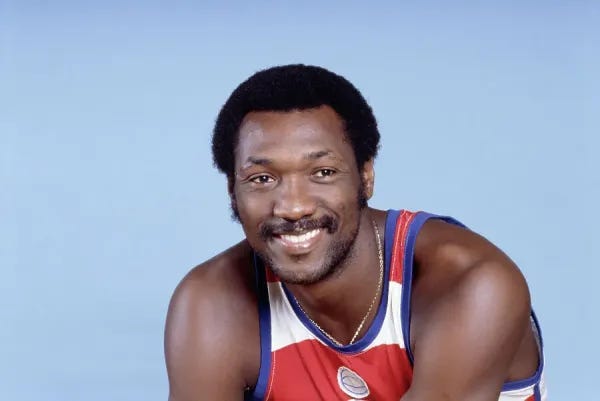
Hayes, with co-star Wes Unseld, led the Washington Bullets to three NBA Finals appearances (1975, 1978, and 1979), including an NBA title over the Seattle SuperSonics in 1978. On March 3, 1978, Hayes set a career high of 11 blocks in a single game, while also scoring 22 points and grabbing 27 rebounds, in a 124–108 win over the Detroit Pistons. During the Bullets’ championship run that postseason, while aided by the addition of Bob Dandridge, Hayes averaged 21.8 points and 12.1 rebounds per game in 21 playoff games, as Washington won their only NBA title to date.
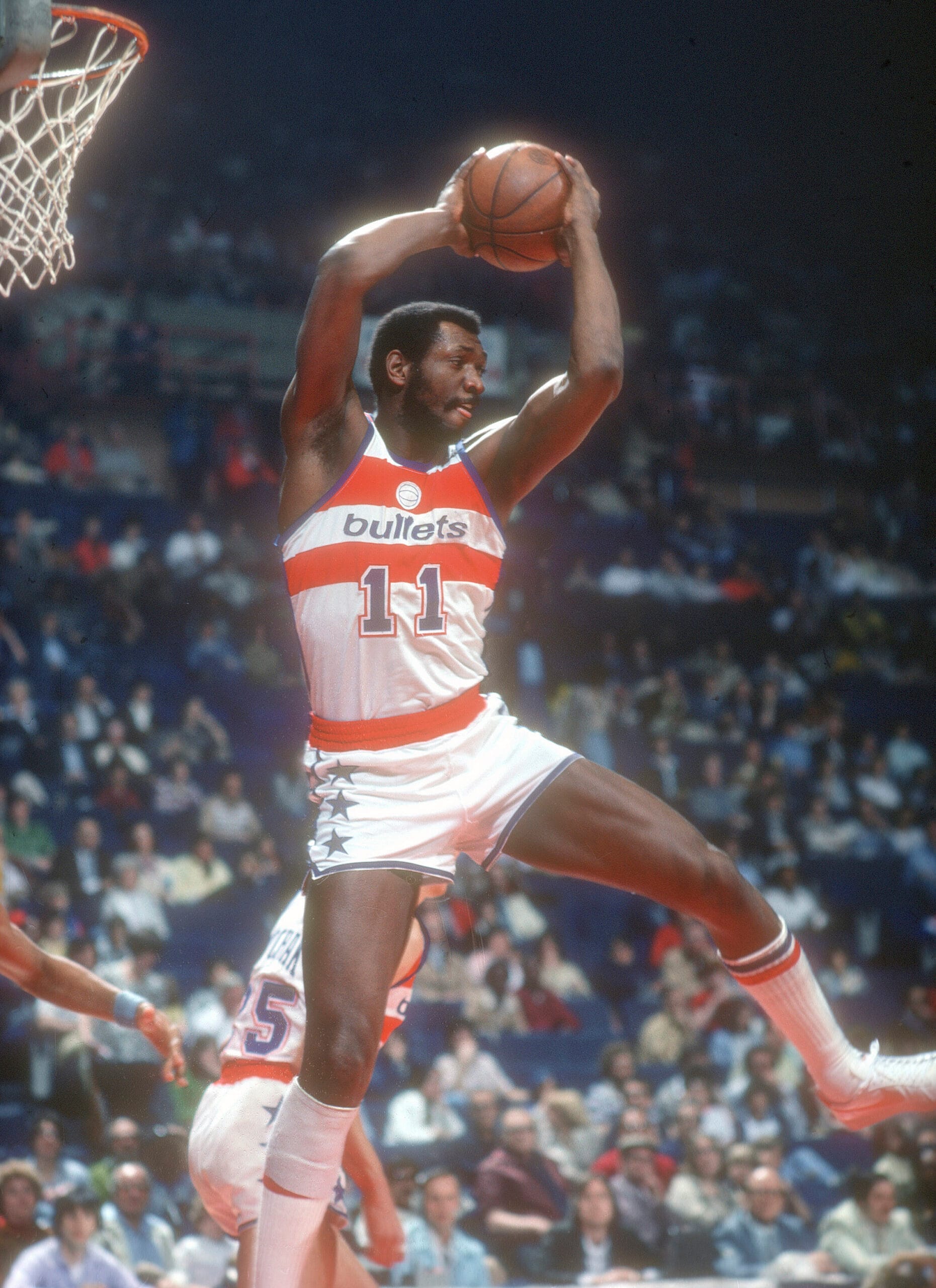
Game of the Century
Picture Pun
Lazy boy.